
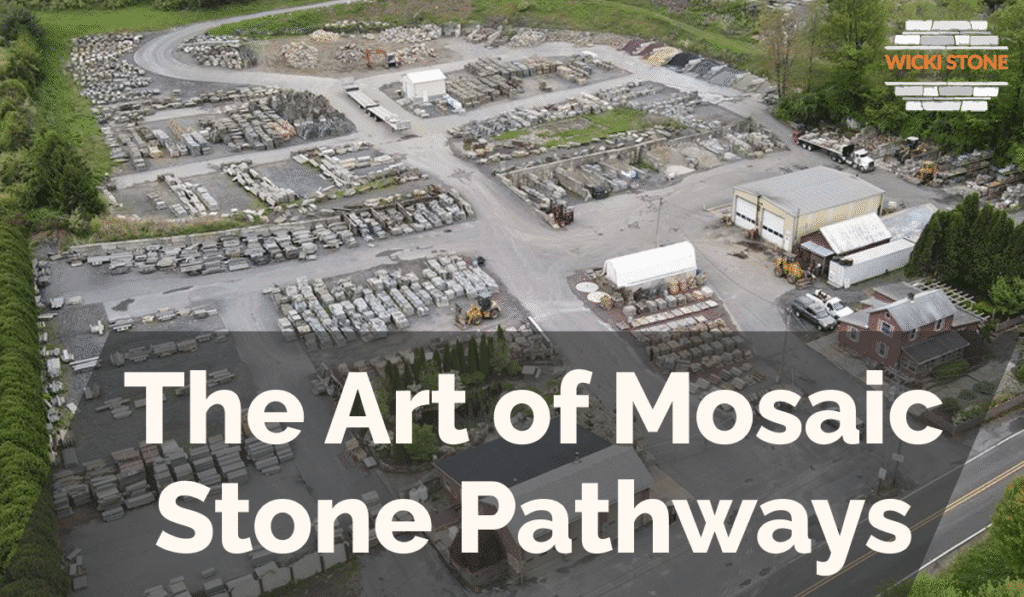
The Art of Mosaic Stone Pathways
Mosaic stone pathways evoke a sense of timeless beauty and artistic expression. These enchanting trails, formed by assembling natural stone pieces into intricate designs, transform any space into a living work of art. Craftsmanship, nature’s elegance, and thoughtful design blend to create a unique experience underfoot.
History and Evolution
Throughout the centuries, mosaic pathways have been cherished by various cultures. Ancient artisans combined natural stone in repeating patterns, interpreting stories, and symbolizing cultural values. This age-old tradition has evolved with modern techniques while retaining a deep appreciation for artisanal crafts and nature’s raw beauty.
From Antiquity to Contemporary Art
The use of mosaics in stone pathways is as much about preserving heritage as it is about innovation. Early mosaics were found in historic sites and religious settings, where natural stone was carefully selected and arranged to convey spiritual significance. In contemporary landscaping, these techniques have been refined and married with modern design ideals, resulting in captivating outdoor installations that invite conversation and reflection.
Design Principles
Creating an effective mosaic stone pathway involves balancing aesthetics with functionality. Here are several core principles that guide the process:
- Selection of Natural Stone: Choosing the right hue, texture, and size of natural stone pieces not only enhances pattern clarity but also ensures durability.
- Pattern and Symmetry: Whether opting for geometric designs or free-form mosaics, the arrangement should complement the surrounding landscape and architectural elements.
- Integration with the Environment: Successful mosaic pathways resonate with their natural context, reflecting local geology and climate.
Choosing the Perfect Palette
Color plays a pivotal role in setting the mood and enhancing the pathway’s visual appeal. Earth tones—ranging from warm reds to cool grays—can harmonize with gardens, water features, and rustic architecture. Natural stone’s inherent color variations make each mosaic pathway unique.
The Creative Process
The fabrication of a mosaic stone pathway is both an art and a science, requiring careful planning, creativity, and skilled labor. Artists often begin with detailed sketches or digital renderings, ensuring the design fits the site’s proportions and natural ambiance.
Steps to Creating a Masterpiece
- Conceptualization: Brainstorming ideas based on the surrounding landscape, desired ambiance, and cultural influences sets the stage for design.
- Selection and Sourcing: Natural stone is handpicked for its color, texture, and natural durability; sustainable quarrying and local sourcing further enhance the eco-friendly aspect of the project.
- Layout and Assembly: The meticulous process of laying out each piece brings the vision to reality, where each stone is positioned to balance both form and function.
- Final Touches: Incorporating ambient lighting, decorative borders, or additional landscaping elements can accentuate the beauty and functionality of the pathway.
Practical Benefits
Beyond the aesthetic allure, mosaic stone pathways offer several practical advantages:
- Durability and Longevity: Using natural stone ensures longevity and resilience, even under harsh weather conditions.
- Easy Maintenance: Once established, these pathways are relatively simple to clean and repair, often requiring minimal upkeep compared to other materials.
- Eco-Friendly: When sourced responsibly, natural stone contributes to sustainable construction practices.
FAQs
Q: Are mosaic stone pathways suitable for all climates?
A: Yes, natural stone is resilient against various weather conditions, making mosaic pathways a versatile option for different climates.
Q: How do maintenance requirements compare to other paving options?
A: Mosaic stone pathways generally have lower maintenance requirements. They can be cleaned with water and mild detergents, and any damaged sections can be replaced without disturbing the entire pattern.
Q: Can mosaic stone pathways be customized to fit a specific design?
A: Absolutely. Artisans can tailor the mosaic layout, color palette, and pattern to harmonize with the surrounding landscape and architectural features of any property.
Conclusion
The art of creating mosaic stone pathways demonstrates how the fusion of natural beauty and meticulous craftsmanship can elevate outdoor spaces to new heights. Each pathway tells a story woven from history, culture, and the timeless allure of natural stone. Whether in a private garden or a public space, these captivating designs transform ordinary pathways into inspiring journeys that invite visitors to slow down and appreciate the beauty beneath their feet.