
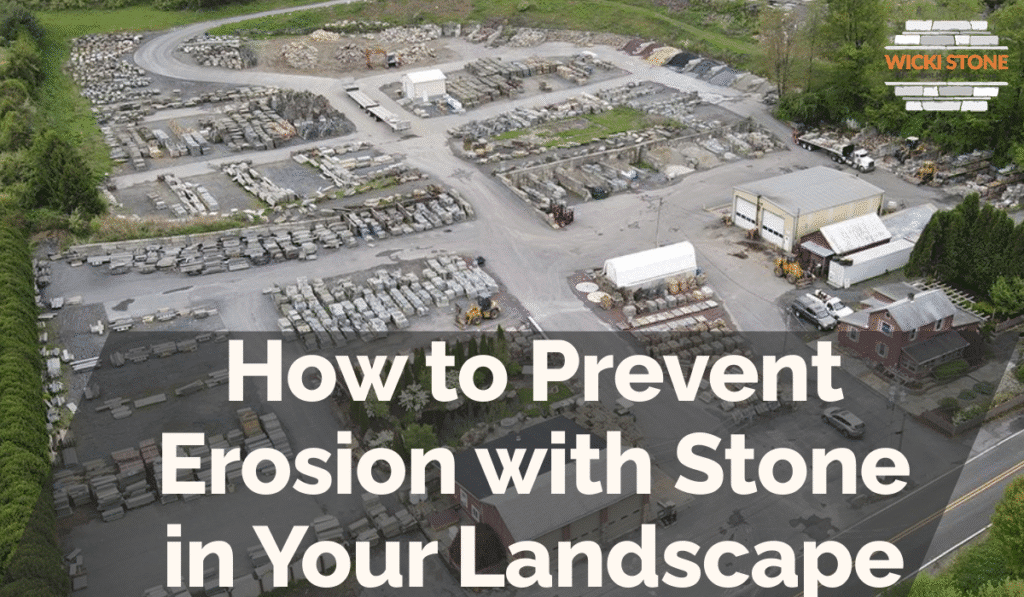
How to Prevent Erosion with Stone in Your Landscape
Erosion is a landscape challenge that can weaken soil structure and diminish the natural beauty of outdoor spaces. When natural stone is used skillfully, it not only fortifies the soil but also creates an attractive barrier that withstands nature’s forces. Combining functionality with aesthetics, natural stone barriers offer an enduring solution for areas facing water runoff, wind, or other natural processes that disturb the terrain.
Understanding the Erosion Process
Before implementing any erosion control measures, it is essential to grasp how erosion occurs. Water, wind, and human activities gradually wear down the soil, especially on slopes and vulnerable landscapes. This degradation can lead to:
- Loss of topsoil essential for plant growth
- Compromised stability of walkways and driveways
- Increased likelihood of landslides and deep gullies
Addressing these concerns early on is important for ensuring long-term soil fertility and stability in your yard or garden.
Benefits of Using Natural Stone
Incorporating natural stone into your landscape not only provides effective erosion control but also offers several other advantages:
- Durability: Natural stone endures harsh weather conditions, making it a long-lasting solution for stabilizing slopes and banks.
- Low Maintenance: Once installed, stone barriers typically require little upkeep, reducing the need for continuous intervention.
- Aesthetic Appeal: The unique patterns and colors of natural stone add charm and style, enhancing the overall visual appeal of your landscape.
- Environmental Compatibility: Unlike many synthetic materials, natural stone complements the environment by blending seamlessly into its surroundings.
Planning and Implementing a Stone Erosion Control System
Effective planning ensures that your stone installation not only stops erosion but also integrates well with your existing landscape. Here’s how you can approach the project:
Assessing the Site
Start by evaluating the specific needs of your property. Consider these factors:
- Slope Angle: Steep slopes require more robust barriers to combat water flow and soil displacement.
- Soil Composition: Soil with a high clay content behaves differently from sandy soil; knowing this helps in selecting the right type of natural stone arrangement.
- Water Flow Patterns: Identify where water accumulates after rainfall. Directing water away from vulnerable areas can effectively reduce erosion.
Designing the Stone Barrier
After careful site assessment, design a stone barrier that complements your property while providing efficient protection:
- Retention Walls: Build retaining walls using interlocking natural stones to hold back shifting soil.
- Stepped Terracing: On steeper hillsides, create terraces with natural stone to slow down the water flow and catch sediment.
- Boulders: We sell a number of types of boulders that can used in stone walls, this includes 2 types of stone chunks which are large pieces of stone that stack relatively easily.
Installation and Maintenance Tips
IMPORTANT NOTE:
Some municipalities require a permit to build a stone wall, and the height specifications they have can differ from town to town. Any stone wall over 2.5 – 3 feet will require stabilization, and that is a subject unto itself that we are not addressing here (we hope to in the future). Stone walls beyond a certain height are not structurally stable and can collapse. If you plan on building a stone wall check with your municipality, that can be a good starting point.
Proper installation is key to the long-term success of erosion control measures:
- Ensure that the foundation is well-compacted to support the weight of the stones.
- Integrate plantings of deep-rooted species behind or amongst the stone to help bind the soil naturally.
- Consider using geotextile fabrics beneath the stone layers to further stabilize the soil and prevent mixing with the aggregate layer.
- Regularly inspect the structure after heavy rains to identify and remedy any settling or displacements early.
Frequently Asked Questions
Can natural stone barriers be used in all types of landscapes?
Natural stone barriers are versatile and can be tailored to fit various landscapes, from gentle slopes to more severe inclines. The key is proper assessment and design matching the specific requirements of your area.
How long do stone erosion control measures last?
With proper installation and periodic maintenance, natural stone erosion control systems can last for decades, making them a cost-effective and sustainable choice.
Is it necessary to combine stone with other materials?
While natural stone is effective on its own, integrating geotextile fabrics or deep-rooted plants can enhance stability, especially during periods of heavy rainfall or in areas with highly erosive soil.
Conclusion
Using natural stone in your landscape for erosion control is an investment in both functionality and beauty. By carefully assessing your property’s needs, designing a comprehensive stone barrier system, and adhering to proper installation techniques, you can combat erosion while enhancing your outdoor space. With durability and low maintenance, natural stone stands as an enduring testament to the harmonious blend of practical engineering and natural elegance.