
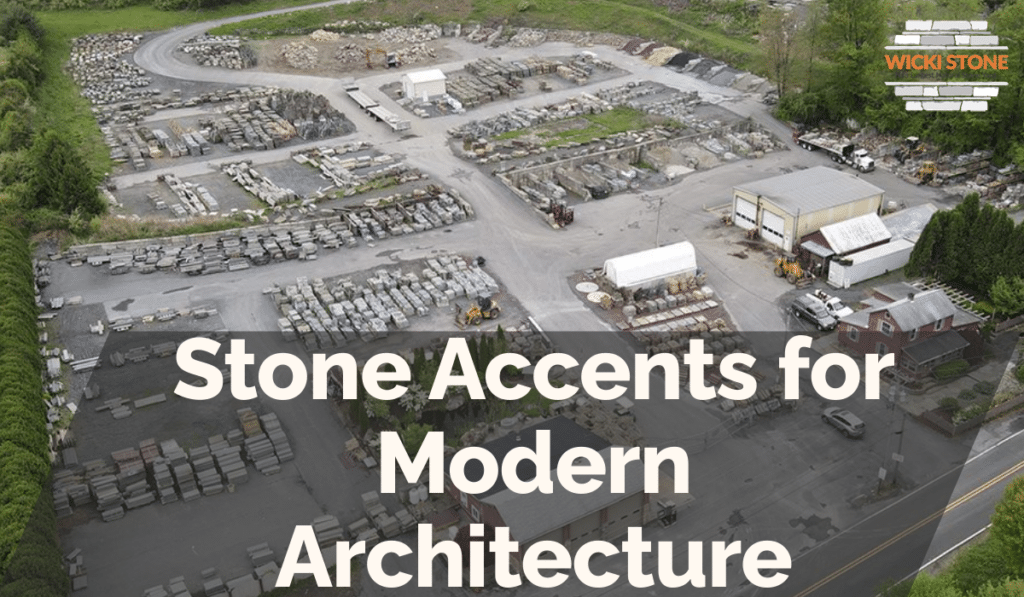
Stone Accents for Modern Architecture
Modern design transcends mere fashion trends, inviting structure, texture, and natural beauty into living spaces. The use of natural stone accents in contemporary architecture creates a captivating dialogue between the enduring charm of traditional materials and the cutting-edge elements of modern design.
Embracing the Timeless Appeal of Natural Stone
Natural stone exudes a refined elegance that doesn’t age. Its inherent textures, patterns, and colors provide an organic depth that complements the sleek lines and minimalist approaches commonplace in modern architecture. From polished marble to rugged granite, stone’s versatility is evident in both subtle accents and dramatic installations.
The Benefits of Incorporating Natural Stone
- Durability: Natural stone resists the trials of time, environmental erosion, and everyday wear, making it a practical choice for high-traffic areas.
- Low Maintenance: When properly sealed and maintained, stone surfaces require minimal upkeep, preserving their beauty for decades.
- Unique Patterns: Each stone slab is a one-of-a-kind work of art, possessing uniquely varied veining and color variations that elevate any space.
- Sustainability: Choosing natural stone supports sustainable practices as it is an eco-friendly material, reducing reliance on synthetic alternatives.
Integrating Stone Accents with Contemporary Design Elements
The fusion of natural stone with modern architecture is best achieved through thoughtful design and a balance of materials. It is not about an overwhelming stone façade; rather, it is an interplay of textures that cultivates unexpected focal points. Architects and designers often use stone as cladding on accent walls, adding warmth to cold, metallic surfaces, or using stone floors to ground a sleek interior space.
Innovative applications include:
- Accent Walls: A single stone feature wall can serve as an eye-catching piece in an otherwise neutral space.
- Focal Points: Stone fireplaces or columns produce a dramatic contrast with glass and steel, offering unique conversation starters in both residential and commercial properties.
- Outdoor Spaces: In landscapes and patios, natural stone creates seamless transitions between architectural elements and the natural environment.
Enhancing Functionality and Style
Beyond aesthetics, stone accents contribute to a building’s overall functionality. The thermal mass of natural stone can help regulate indoor temperatures, while its reflective properties amplify natural lighting. Such benefits are especially valuable in large, open spaces often found in modern constructions.
This marriage of form and function proves that every material has a role to play, and when artfully combined, they enhance both the beauty and efficiency of the built environment.
Design Tips for Effective Stone Integration
- Harmonize Colors: Select stones with a palette that complements the existing color scheme to establish a cohesive and refined look.
- Consider Scale: Use stone accents that are in harmony with the scale of your space—oversized stones can create dramatic effects in vast open areas, while smaller pieces work well in intimate settings.
- Mix Materials: Contrast stone with glass, metal, or engineered wood to create visually dynamic spaces that feel both modern and timeless.
- Light and Texture: Ensure ample natural light highlights the stone’s natural patterns, creating shifting shadows and depth.
Frequently Asked Questions
Why is natural stone an ideal choice for modern architecture?
Natural stone offers a unique combination of durability, sustainability, and aesthetic appeal. It brings a timeless quality that anchors modern design elements in a touch of natural elegance.
How can natural stone be used in interior settings?
Interior applications include accent walls, fireplace surrounds, flooring, and even custom countertops. Its natural textures create warmth and balance in spaces dominated by contemporary materials.
Are there cost considerations when using natural stone?
While natural stone can have higher upfront costs compared to some synthetic materials, its longevity, minimal maintenance, and increased property value often justify the investment in the long term.
What maintenance does natural stone require?
Natural stone requires periodic sealing and gentle cleaning with pH-neutral cleaners to preserve its beauty and durability. Regular maintenance ensures that natural patterns and colors remain vibrant over time.
Conclusion
Integrating natural stone accents into modern architectural designs invites a balance between heritage and innovation. The organic textures, subtle variations, and enduring qualities of stone harmonize with the sleek lines of contemporary design, crafting spaces that are both visually engaging and functionally superior. Thoughtful implementation of stone—whether used sparingly as accent pieces or more liberally as design statements—allows architects and designers to create environments that reflect both minimalism and nature’s raw beauty.
This careful blend of ancient craftsmanship with modern efficiency results in a living or working environment that is not only inspiring but also resilient, sustainable, and utterly unique.